
The science of recovery: what actually helps – and what’s just noise?
1 April 2026You finish a run feeling pleasantly tired. Later that evening you open social media for a quick scroll.
Within minutes you’ve seen someone sitting in a freezing ice bath in their garden, another athlete using a £400 massage gun, a post about a complicated ‘recovery supplement stack,’ and a wearable device telling someone they’re only 63% recovered and shouldn’t train today.
Recovery has become a huge topic in fitness and sport. That’s not necessarily a bad thing – looking after your body, sleeping well and fuelling properly all matter if you want to stay active and avoid injury.
But the modern recovery landscape can make it feel like you need a collection of gadgets and routines just to stay healthy.
So what actually helps your body recover – and what’s mostly background noise?
What ‘recovery’ really means
Recovery is the process through which your body adapts to the stress you place on it over time. When you run, lift weights, or play sport, your muscles, tendons, and nervous system are all exposed to small amounts of stress, including temporary fatigue, microscopic tissue damage, and a short-term inflammatory response.
Although that may sound negative, it is actually essential for progress. With enough sleep, appropriate nutrition, and a sensible training load, your body repairs itself and becomes more resilient, meaning the same activity feels easier the next time you perform it.
In most cases, injuries are not the result of skipping a recovery routine, but rather of training loads increasing faster than the body can adapt. While recovery strategies can play a role, they are not a substitute for getting the fundamentals right.
Cold plunges and ice baths: helpful but often overused
Cold water immersion has become one of the most visible recovery trends in recent years, and it does have some evidence behind it. It can reduce muscle soreness and help you feel fresher after particularly demanding sessions, which may be useful during intense periods such as race weeks, tournaments, or heavy training blocks.
However, there is an important caveat to consider. The inflammatory response that occurs after exercise is part of the adaptation process, and regularly using cold exposure immediately after strength training may slightly reduce long-term muscle and strength gains by blunting that response.
In practice, cold plunges can be a helpful tool, but they are not something you need after every session. It is more effective to use them selectively, rather than turning them into a daily habit.
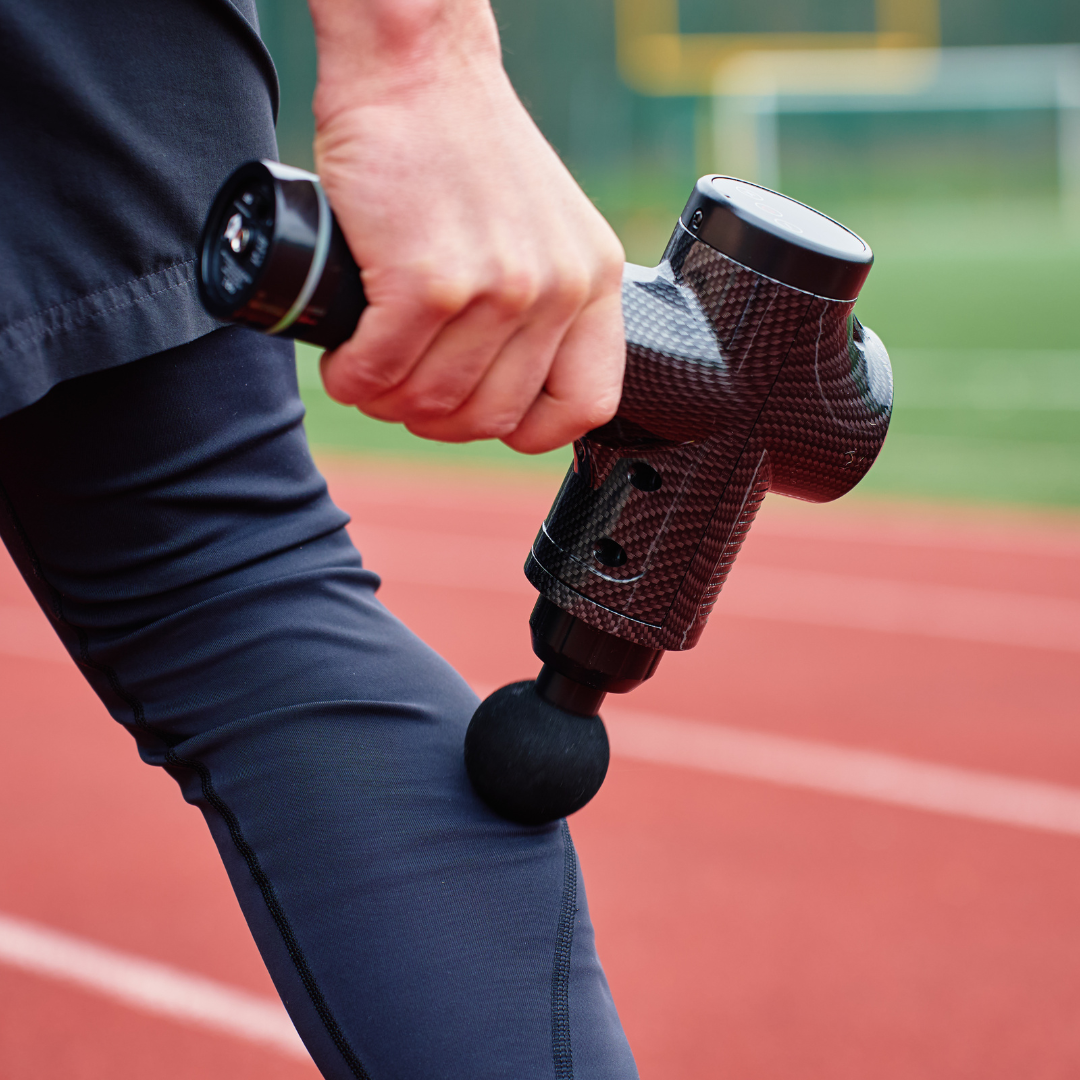
Massage guns: useful, but not transformative
Percussion massage devices are now widely used and, for many people, they feel good and can be a helpful addition to a routine. Research suggests they may temporarily reduce muscle soreness and improve short-term range of motion, which can be useful before activity.
That said, they do not “flush toxins” or speed up tissue healing, and they are not equivalent to structured mobility or strength work. In many ways, they are best thought of as a modern version of foam rolling – helpful for short-term comfort, but unlikely to create lasting changes in muscle or tendon structure.
If using one helps you feel looser or move better before a run or gym session, it can be worth including, but it should not be relied upon to solve more significant training or injury-related issues.
Supplements: the basics matter most
Recovery supplements are often marketed as essential for performance and injury prevention, but in reality, only a small number are consistently supported by strong evidence. Most of the benefits associated with recovery still come from meeting basic nutritional needs rather than relying on complex supplement stacks.
The most evidence-based options include:
- Adequate protein intake (particularly if your diet is low in protein)
- Creatine monohydrate for strength and power development
- Vitamin D if levels are low
Beyond these, the benefits of many “recovery blends” are far less clear, despite their long ingredient lists. Overall calorie intake, consistent protein consumption, and a balanced diet still do the majority of the work when it comes to recovery. Supplements can be useful for filling specific gaps, but they should not replace the fundamentals.
It is also worth considering factors such as hormones, age, and sex, and seeking guidance from a GP or qualified nutrition professional where appropriate.
Recovery trackers: helpful data, but not the full picture
Wearable devices and smartwatches estimate recovery using metrics such as sleep, heart rate, and heart rate variability, and these tools can be useful for identifying patterns like poor sleep or accumulating fatigue over time.
However, data without context can sometimes be misleading. It is increasingly common to see people second-guess how they feel because their watch suggests they are “not recovered,” even when their body feels capable of training.
Your own signals – such as fatigue, soreness, motivation, and overall wellbeing – still matter. Data should be used to guide decisions, not override them.
What actually drives recovery
The biggest drivers of recovery are far less glamorous than many social media trends suggest, but they are consistently the most effective. For most active people, recovery is primarily determined by a handful of key factors:
- 7–9 hours of sleep per night
- Enough calories to support your training
- Around 1.6–2.2g of protein per kilogram of body weight per day
- Gradual progression in training load
- Strength training to build tissue capacity
- Managing life stress where possible
In clinical practice, most injuries are linked to training load exceeding recovery capacity, rather than a lack of recovery tools or gadgets.
How we help at the Hub
At the Rehab Hub, recovery is approached from a broader perspective that looks beyond isolated strategies or trends. When someone presents with persistent soreness, fatigue, or recurring niggles, the focus is on understanding the bigger picture, including training load, strength levels, movement patterns, sleep, and overall lifestyle.
For runners, this often involves building strength alongside endurance so the body can better tolerate increased mileage. For active adults and desk-based workers, the focus may be on improving movement capacity and gradually progressing activity levels in a sustainable way.
In most cases, small, well-planned adjustments to training structure, strength work, and recovery habits have a far greater impact than any single device or intervention.
Takeaway
Cold plunges, massage guns, and recovery trackers can all have a place within a broader routine, but they represent relatively small pieces of the overall picture. The majority of recovery is still driven by sleep, nutrition, sensible training progression, and strength development.
Before investing in another gadget, it is worth asking:
- Am I sleeping enough?
- Am I fuelling my training properly?
- Is my training progressing gradually?
- Am I building strength alongside endurance?
Getting these foundations right will have the greatest impact. The science of recovery may not be flashy, but it is consistent, disciplined, and highly effective.
