
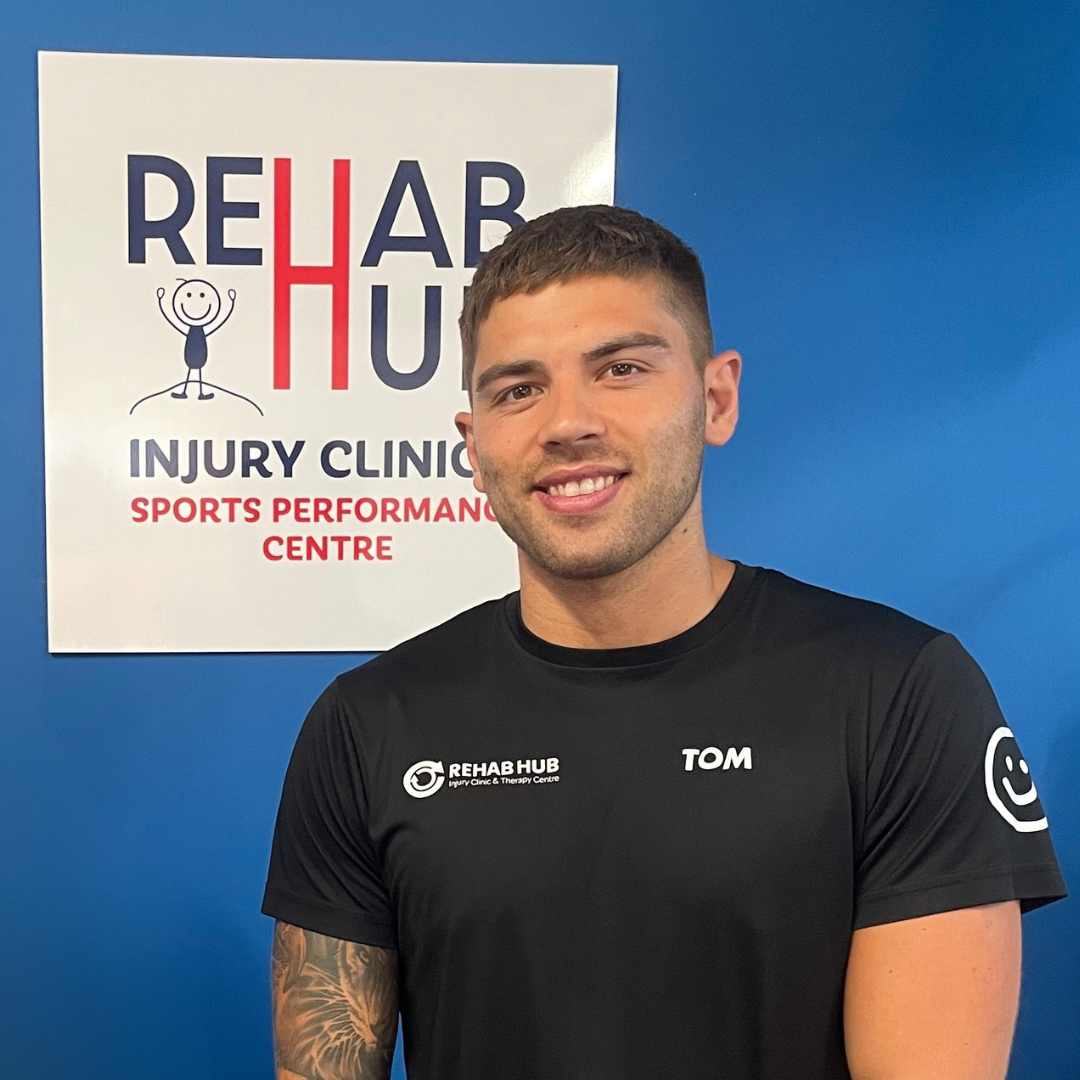
Meet Tom: Busting a common menopause myth about women and strength training
5 July 2026Tom has been part of the Hub team since 2018 and is one of our full-time Senior Sports Therapy Practitioners and Musculoskeletal Practitioners. He works with a wide range of patients and athletes, helping them manage pain, recover from injury, improve performance and build confidence through tailored rehabilitation and strength programmes.
This month, Tom is tackling a myth that comes up regularly in conversation:
“Lifting weights will make me bulky.”
When menopause comes up during appointments, Tom often hears a similar concern from women who have been advised to start strength training but are worried they’ll become overly muscular.
The good news? For most women, lifting weights is far more likely to make them stronger, healthier and more resilient than it is to make them ‘bulky’.
In fact, strength training is widely recommended during and after menopause. As oestrogen levels decline, women naturally lose muscle mass and bone density, which can increase the risk of weakness, injury and osteoporosis. Regular strength training can help slow these changes, supporting muscle health, bone strength, balance and long-term independence.
Strength training, resistance training and weight training – what’s the difference?
You may hear these terms used interchangeably, and in the context of this conversation they all mean broadly the same thing: challenging your muscles so they become stronger.
That could involve:
- Lifting weights
- Using resistance bands
- Exercising with kettlebells
- Using gym machines
- Bodyweight exercises such as squats, lunges and press-ups
The goal isn’t to become a bodybuilder. It’s to maintain and build strength, support your joints, improve your confidence and help your body cope with the demands of everyday life.
Tom’s take
“One of the biggest misconceptions I hear is that lifting weights will make women bulky. Building significant muscle mass takes years of dedicated training and specific nutrition. For most women, strength training helps them feel stronger, move better and stay active as they get older.”
During menopause, maintaining muscle and bone health becomes increasingly important, so introducing some form of strength training can make a real difference.
Whether you’re managing an injury, dealing with aches and pains, returning to exercise or looking to stay strong through menopause and beyond, strength training can be an effective part of a healthy lifestyle.
About Tom
Tom has been helping patients and athletes at the Hub since 2018. His expertise includes musculoskeletal pain and dysfunction, sports injury rehabilitation, strength and conditioning, and medical acupuncture. Known for his hands-on approach, Tom works closely with patients to create practical treatment and rehabilitation plans that fit their goals, whether they’re competitive athletes or simply looking to move and feel better.
To find out more about working with Tom, speak to the Hub team or book an appointment.
