
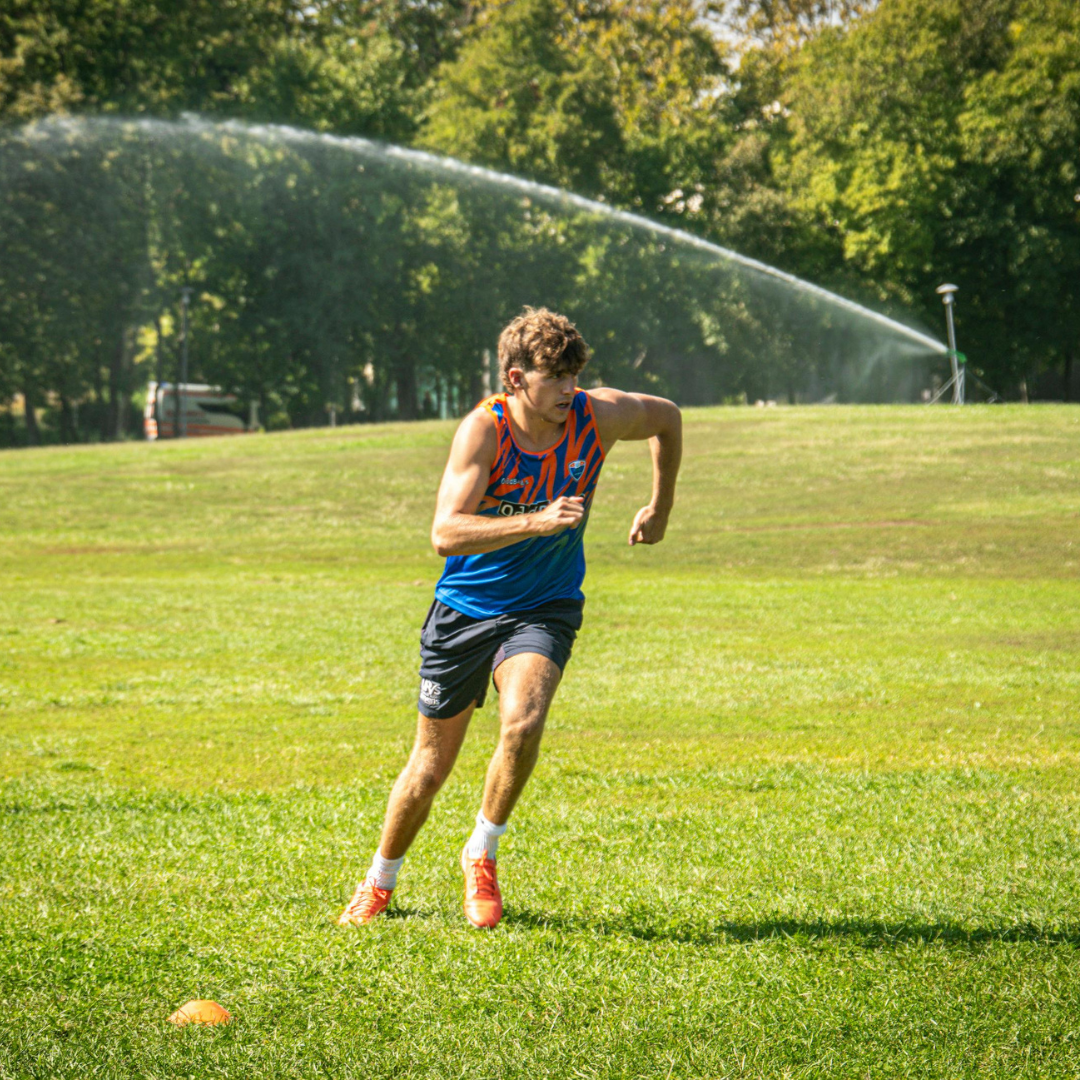
Training through summer heat: When to push, when to adapt
1 July 2026Why summer training feels harder
As the weather improves, motivation to train usually rises with it. Longer evenings, dry roads, and race season encourage many runners and active people to train more consistently. However, warmer weather also places additional stress on the body, and many people underestimate how much heat can affect performance and recovery.
At the Rehab Hub, we regularly see runners becoming frustrated during summer because sessions suddenly feel harder despite maintaining the same training load. Easy runs feel less comfortable, heart rate rises more quickly, and recovery seems slower than expected. In many cases, this isn’t a fitness issue. It’s simply the body working harder to manage heat.
Why heat affects performance
During exercise, your body is not only producing movement; it’s also trying to regulate temperature. As conditions become warmer, more blood is directed towards the skin to help cooling through sweating. This means the cardiovascular system has to work harder overall.
As a result, familiar paces can suddenly feel more demanding. You may notice:
- Higher heart rates during easy runs
- Heavier legs during harder efforts
- Slower recovery between sessions
- Increased fatigue, headaches, or muscle tightness
These responses are normal to a degree, but they become more significant when hydration and recovery aren’t managed effectively.
Don’t chase the same numbers
One of the biggest mistakes people make during summer is trying to force the same pace and intensity they achieved in cooler conditions. Heat increases the physiological cost of exercise, so training by effort rather than pace often makes more sense. A slightly slower run on a hot day may provide exactly the same training benefit as a faster run in cooler weather.
Sometimes the smartest adjustment is training earlier in the day, reducing pace slightly, or allowing more recovery between hard sessions. These changes aren’t signs of losing fitness; they’re examples of managing load appropriately so your body can continue adapting.
Hydration matters more than you think
Many people only think about hydration once they feel thirsty, but performance is often affected before that point. Sweating leads to both fluid and electrolyte loss, particularly during longer or harder sessions.
Simple habits often make the biggest difference:
- Start sessions well hydrated
- Drink consistently throughout the day
- Consider electrolytes during longer sessions
- Replace fluids steadily after training
Nutrition is equally important. Appetite often drops slightly in warmer weather, but training demands remain the same. Under-fuelling alongside dehydration is a common reason people begin struggling later in the summer.
Training smarter through the heat
The body can adapt to warmer conditions, but this process takes time. Gradual exposure combined with appropriate recovery allows the body to become more efficient at coping with heat.
For most runners, this simply means being flexible. Some weeks may require slight reductions in intensity or training volume, particularly during periods of extreme heat. Consistency is almost always more valuable than forcing sessions that leave you excessively fatigued.
What we see in clinic
During summer, we often see people presenting with increased fatigue, persistent tightness, recurring niggles, or recovery that seems slower than usual.
Rather than focusing solely on the painful area, we look at the wider picture, including training load, recovery habits, hydration, sleep quality, and strength capacity. Often, warmer conditions expose weaknesses in recovery or load management that were already present beneath the surface.
How we can help at the Hub
At the Hub, we help active people continue training effectively while reducing unnecessary overload. That may involve hands-on treatment, rehabilitation, strength work, recovery advice, and practical adjustments to training structure.
Our aim isn’t simply to settle symptoms temporarily, but to help you stay active, recover better, and continue progressing throughout the summer months.
Takeaway
Summer training can be hugely beneficial, but warmer weather changes the demands placed on the body. Sessions may feel harder, recovery can slow down, and hydration becomes far more important than many people realise.
In most cases, better progress comes from adapting intelligently rather than forcing the same output regardless of conditions. Managing hydration, recovery, and training load effectively allows you to keep training consistently while reducing unnecessary fatigue and overload.
