
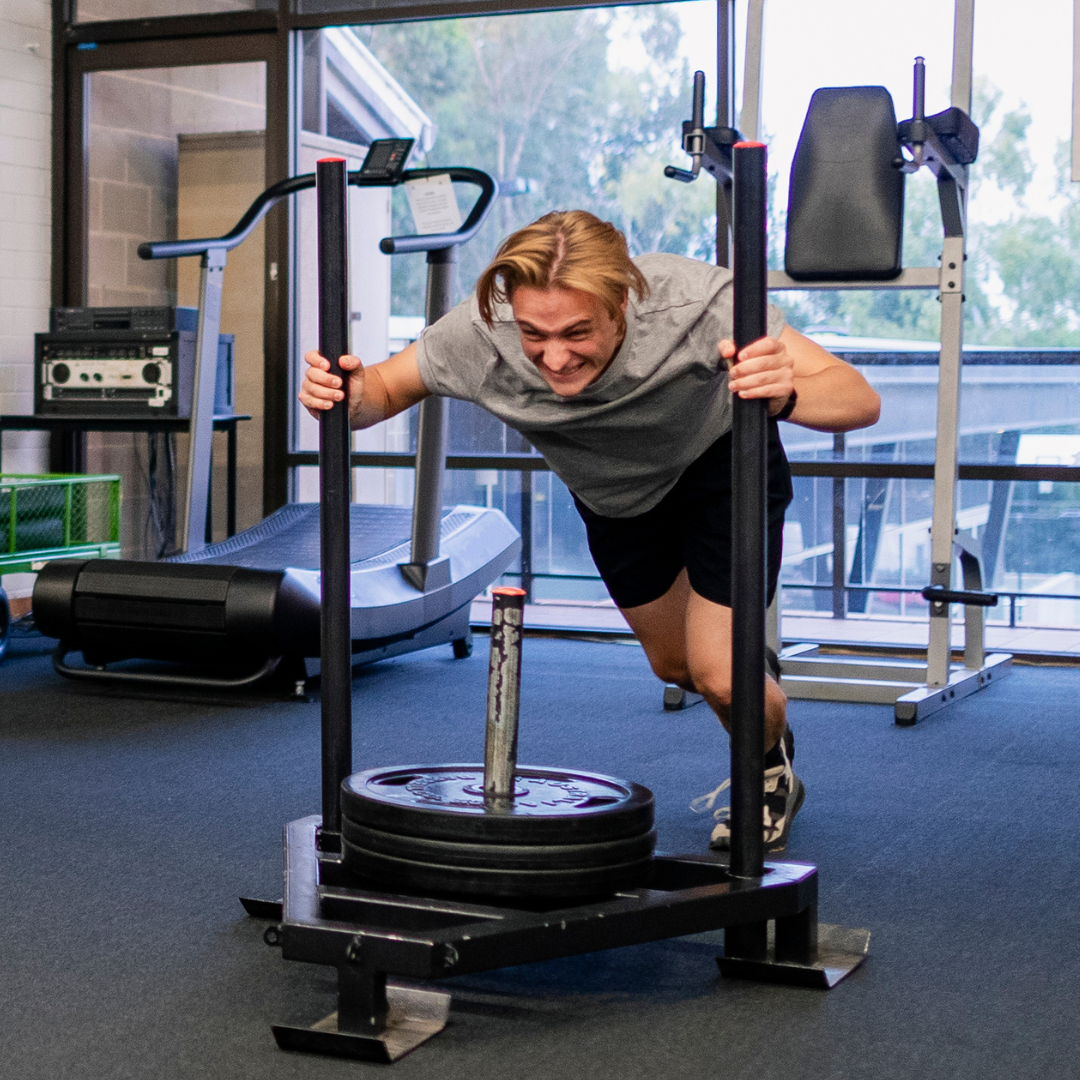
HYROX and CrossFit: how to prevent overuse injuries, and why hybrid training can increase injury risk
1 August 2026HYROX and CrossFit have become hugely popular, combining running, strength work and high-intensity exercise into one demanding style of training. While this is excellent for building all-round fitness, it also places significant stress on the body.
Unlike traditional running or strength training, hybrid training asks your muscles, tendons and joints to cope with several different types of load at once. If training increases too quickly or recovery is overlooked, small aches can soon develop into overuse injuries.
At the Rehab Hub, we’re seeing more people preparing for HYROX or training CrossFit with tendon pain, knee problems and persistent niggles that could often have been prevented.
What is an overuse injury?
Overuse injuries develop gradually when the body is exposed to more training than it has adapted to. Rather than being caused by one specific incident, they build up over time as tissues struggle to recover between sessions.
Common overuse injuries include:
- Achilles tendon pain
- Runner’s knee or patellar tendon pain
- Shin splints
- Plantar heel pain
- Lower back stiffness that lingers after training
Catching these problems early is often the difference between making a few small adjustments and needing weeks away from training.
Many overuse injuries come down to training load rather than poor technique. Small changes to your routine can make a big difference.
Some of the most effective ways to stay injury-free include:
Train smarter, not just harder
Many overuse injuries come down to training load rather than poor technique. Small changes to your routine can make a big difference.
Some of the most effective ways to stay injury-free include:
Build training gradually
Avoid increasing running, lifting and conditioning all at the same time. Give your body time to adapt.
Keep strength training consistent
Strong muscles and tendons are better able to tolerate the demands of hybrid training.
Do the groundwork first
Hybrid training is built around big compound movements and repetitive loading, so it’s important to make sure your body is prepared for them. Alongside your main training, include targeted exercises for areas such as the rotator cuff, hips and core to build strength where it matters most. These smaller muscle groups provide the stability that allows you to lift, run and move efficiently while reducing your risk of injury.
Prioritise recovery
Sleep, good nutrition and easier training days are when your body repairs and becomes stronger.
Listen to early warning signs
Pain that keeps returning or worsens over several sessions shouldn’t be ignored.
Focus on consistency
Missing one workout won’t affect your fitness, but missing several weeks through injury certainly will.
What we see in clinic
Many people assume they’re injured because they’re doing the wrong exercises. More often, the issue is that training volume has increased faster than the body can cope with.
Rather than focusing only on where it hurts, we look at the bigger picture, including:
- Training load and recent increases in volume
- Recovery, sleep and nutrition
- Strength and movement quality
- Previous injuries that may still be influencing performance
Small changes in these areas are often enough to settle symptoms while allowing people to continue training.
How we can help at the Hub
Whether you’re preparing for your first HYROX event, training regularly at CrossFit or balancing running with strength work, our team can help you train with confidence.
Think of it as an MOT for your body. We’ll assess your strength, mobility and movement patterns, identify any imbalances, and check whether previous injuries have truly recovered. From there, we can prescribe the right ‘groundwork’ – targeted strengthening and mobility work – to address any weak links before they become injuries.
Our physiotherapists, sports therapists and osteopaths assess not just the painful area, but the factors contributing to overload. By identifying these early, we can help you recover, reduce your injury risk and keep progressing towards your goals.
If you’re starting HYROX, increasing your training, or dealing with recurring niggles, book in for a movement assessment and let us help you build the foundations for stronger, injury-free training.
Takeaway
Hybrid training is one of the most effective ways to improve strength and fitness, but more training isn’t always better. Building gradually, recovering well and addressing small problems early will help you stay consistent and avoid unnecessary setbacks.
The goal isn’t just to reach race day – it’s to get there feeling strong, healthy and ready to perform.
Ready to get started?
Book an appointment at the Rehab Hub and let our team help you train smarter, stay injury-free and get the most out of your hybrid fitness journey.
